
If you have not driven for a while, the thought of getting back behind the wheel can feel bigger than it should. That is exactly where refresher driving lessons Milton Keynes can help. Whether you passed years ago, feel rusty in busy traffic, or simply want a calm reset in a manual car, a few well-planned lessons can make driving feel familiar again.
Refresher lessons are not about starting from scratch unless that is what you need. They are about meeting you where you are now. Some drivers want help with roundabouts and dual carriageways. Others are fine once they get moving but feel nervous about parking, lane choice, or handling pressure when the roads are busy. A good refresher course should fit the person, not force everyone into the same pattern.
Who refresher driving lessons are for
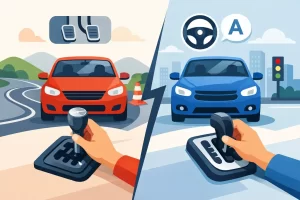
A lot of people assume refresher lessons are only for nervous drivers. In reality, they suit a much wider range of situations. You might have moved to Milton Keynes and found the grid roads, roundabouts, and faster traffic quite different from where you learned. You might have passed in an automatic and now want support driving a manual more confidently. You might even have a full licence but avoid certain routes because they no longer feel comfortable.
These lessons are also useful after a long break from driving. That could be after university, after living in a city where you did not need a car, after having children, or after a period where health, work, or life simply got in the way. Confidence tends to fade quietly. One day you realise you are putting off short journeys, then bigger ones, then avoiding driving altogether.
There is no shame in that. Skills come back far more quickly when you practise with structure and support.
What happens in refresher driving lessons in Milton Keynes
The first lesson should feel straightforward and pressure-free. You talk through your experience, what is worrying you, and what you actually want from the sessions. Some people want to be able to commute again. Some want to manage school runs, supermarket trips, or motorway driving. Others just want to stop feeling tense every time they approach a roundabout.
From there, the lesson can be shaped around the areas that matter most. That often includes moving off smoothly, clutch control, junctions, meeting situations, lane discipline, parking, and dealing with local traffic flow. In Milton Keynes, roundabouts are often a major focus, and understandably so. If you are rusty, it is easy to feel rushed when several decisions are happening at once.
The right approach is usually gradual. Quiet roads first, then slightly busier ones, then the more demanding situations once you are ready. That matters because confidence built too quickly can be shaky, while confidence built step by step tends to last.
Why manual refresher lessons can make a real difference
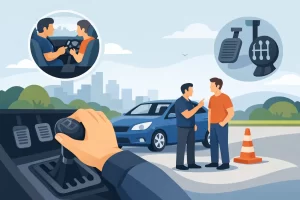
Manual driving asks more of you than just steering and observation. You are also managing clutch control, gear changes, speed, and timing. If you have not done that for a while, it can feel as though your brain is trying to catch up with your feet.
That is normal. Manual skills are practical habits, and habits improve through repetition. A calm one-to-one lesson gives you space to relearn them properly instead of muddling through on your own and hoping it comes back. Often, the issue is not that someone has forgotten everything. It is that they have lost fluency. The controls feel less automatic, so everything else feels harder too.
When the car starts to feel predictable again, the road usually does as well.
Common areas drivers want help with
Most refresher drivers do not need help with every part of driving. Usually, there are a few sticking points that affect everything else. Roundabouts are a big one in Milton Keynes because they require planning, lane choice, observation, and commitment. If confidence drops in one of those areas, hesitation can creep in.
Parking is another common request, especially bay parking and parallel parking. Many drivers can complete everyday journeys but still avoid spaces that feel tight or awkward. A few focused sessions can make a big difference because parking improves when you understand the method and get time to repeat it without pressure.
Some drivers also want support with hill starts, stalling, busy junctions, night driving, or driving in heavier traffic. Others want a more general confidence boost before returning to regular driving. There is no single right reason to book. If it helps you feel safer and more comfortable, it is a valid reason.
The value of one-to-one, local instruction
Refresher lessons work best when they are personal. A one-to-one session means the lesson can slow down when needed, repeat areas that need more practice, and move on once you are ready. That matters far more than trying to fit into a standard course.
Local knowledge helps too. Milton Keynes has its own driving patterns, and learning with someone who understands the local roads can make progress faster. That includes knowing which areas are good for rebuilding confidence, which roundabouts to tackle when you are ready, and how to help you handle the roads you will actually use in daily life.
For many drivers, the biggest benefit is the atmosphere. If the lesson feels calm and supportive, you are far more likely to ask questions, admit what worries you, and improve in the areas you normally avoid. Professional instruction does not need to feel stern. In most cases, people learn better when they feel settled.
How many refresher lessons do you need?
It depends on your starting point and your goal. Some drivers only need one or two lessons to sharpen up after time away from driving. Others prefer a short run of sessions so they can rebuild confidence steadily. If you have not driven for years, or if anxiety has become a major barrier, it often makes sense to take it gradually rather than expect everything to click in one lesson.
A sensible instructor should be honest about this. More lessons are not always better. The aim is not to keep you learning forever. It is to get you back to safe, independent driving at a pace that feels manageable.
That pace will differ from person to person. Someone who already has decent control but dislikes roundabouts may progress quickly. Someone returning after a long break may need more time to feel fully comfortable with gear changes, positioning, and decision-making. Both are perfectly normal.
Choosing refresher driving lessons Milton Keynes drivers can trust
When you are booking refresher driving lessons Milton Keynes drivers often look for the same things as beginners do – patience, clear instruction, and reliability. The difference is that refresher drivers also need an instructor who understands confidence. You do not want to feel judged for being rusty. You want someone professional, calm, and able to explain things clearly without making the lesson feel heavy.
It also helps to choose lessons with straightforward pricing and enough flexibility to suit work, family life, or other commitments. Door-to-door lessons can make returning to driving feel easier, especially if confidence is low at the start. Full-hour sessions are useful too, because they give you proper time to settle in, practise, and finish the lesson feeling that you have genuinely moved forward.
For drivers wanting manual tuition with a structured but relaxed approach, Pav’s Driving School reflects exactly what many refresher learners need – one-to-one support, local knowledge, and lessons built around real progress rather than pressure.
What to expect from your first session
Your first session does not need to be perfect. In fact, it is better to think of it as a reset. You may feel nervous before you begin, but that usually eases once you are driving and talking things through. The lesson should focus on practical wins, not on catching you out.
You might start on quieter roads to get used to the controls again. From there, you can work on the areas that matter most to you. A good first lesson often ends with something very simple but very important – you feel more capable than you did an hour earlier.
That shift matters. Confidence usually returns in stages, not all at once. A calmer start, a smoother gear change, one roundabout handled well, one parking manoeuvre that finally makes sense – these are the moments that rebuild trust in your own driving.
If you have been putting it off, do not wait until confidence somehow returns on its own. It rarely works like that. A few calm, structured lessons can turn driving from something you avoid into something that feels normal again.