Learning to drive can feel exciting one day and overwhelming the next. That is exactly why one to one driving lessons suit so many learners. Instead of trying to keep up with someone else’s pace, you get full attention from your instructor, time to ask questions, and lessons built around what you need most.
For many people in Milton Keynes, Bletchley and Newport Pagnell, that personal approach makes a real difference. Some learners are complete beginners who need a calm introduction to the car. Others have had lessons before and want to rebuild confidence, correct bad habits or get properly ready for their practical test. In both cases, individual tuition gives you space to learn properly.
What makes one to one driving lessons different?
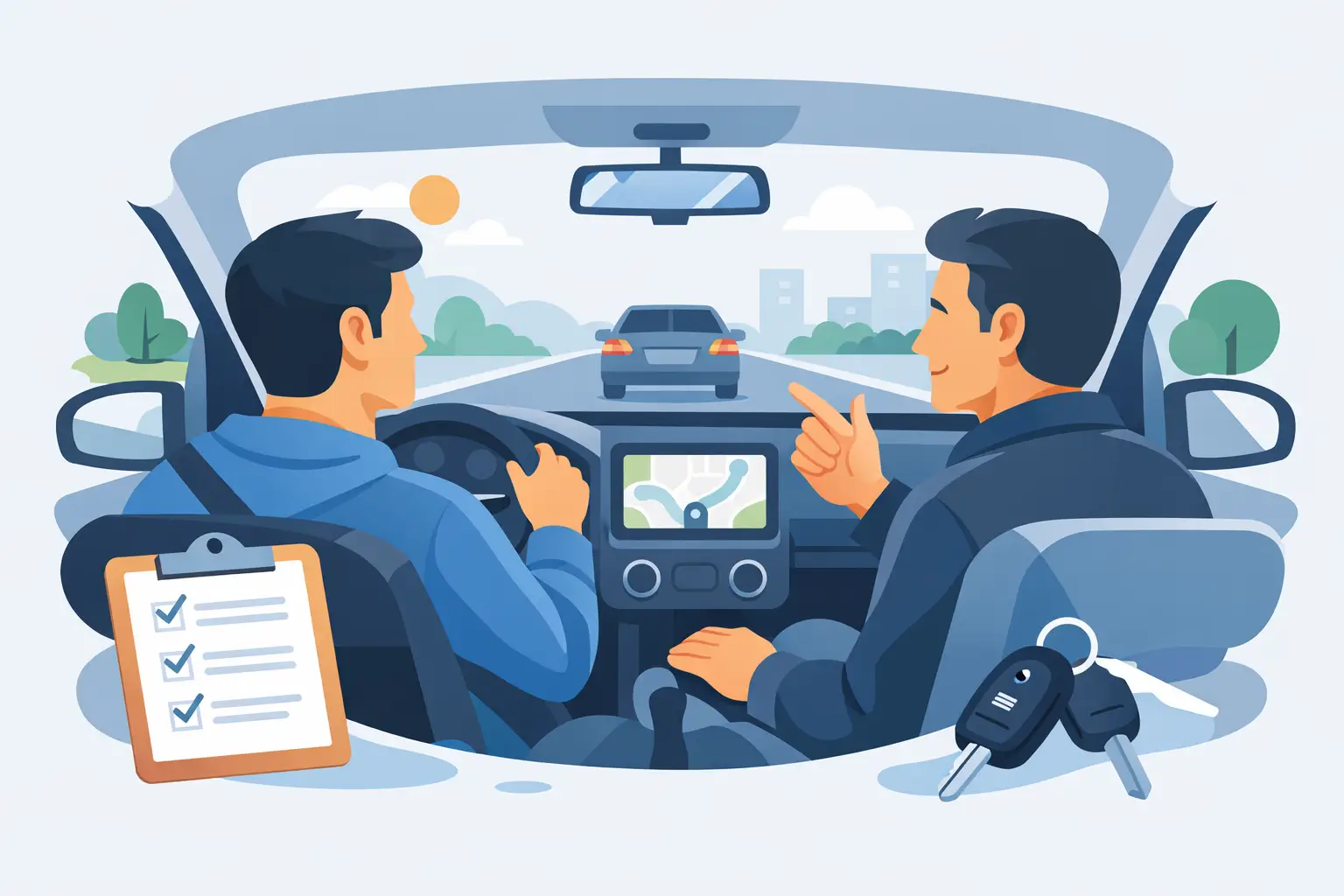
The biggest difference is simple. The lesson is about you from start to finish. Your instructor is not splitting time between pupils, managing different ability levels in the same session, or asking you to sit in the back while someone else drives. Every minute is focused on your progress.
That matters because learning to drive is not just about steering, changing gear and moving off safely. It is also about judgement, planning, awareness and confidence. Those skills develop best when you are actively involved for the full lesson and getting feedback in the moment.
A one-to-one format also gives your instructor a clearer picture of how you learn. Some pupils need more repetition at roundabouts. Some pick up clutch control quickly but need support with meeting traffic. Some are comfortable in quiet roads but tense up on busier routes. Personal tuition makes it easier to spot those patterns early and deal with them in a structured way.
Why personal tuition helps learners progress faster
Progress is not always about rushing. In fact, learners often improve more quickly when they do not feel pressured. One to one driving lessons create a calmer setting where it is easier to concentrate, make mistakes, and learn from them without embarrassment.
Because the lesson plan can be adjusted as you go, time is used more efficiently. If you have nailed moving off and stopping, there is no need to spend another full session on it. If parallel parking needs extra practice, that can be built in straight away. The teaching stays relevant to your current level rather than following a fixed routine that may not suit you.
This is especially useful for nervous drivers. Anxiety often gets worse when learners feel judged or rushed. A patient, qualified instructor who keeps things clear and steady can help turn that around. When you know the lesson is tailored to your pace, it becomes easier to relax and focus.
One to one driving lessons for beginners
If you have never driven before, your first few lessons shape how you feel about driving for a long time. A good start is not about being thrown into difficult situations too soon. It is about understanding the basics, building control of the car, and gaining confidence step by step.
With one-to-one tuition, beginners can spend proper time on the foundations. That includes cockpit checks, clutch control, moving off, stopping, steering accurately and using mirrors correctly. In a manual car, these early skills matter even more because coordination takes practice.
The benefit of individual lessons is that nothing gets glossed over. If hill starts take a while, that is normal. If right turns are confusing at first, they can be broken down into simpler parts. The lesson moves forward when you are ready, not when the clock says you should have moved on.
Why it also suits refresher lessons
Not every learner is starting from scratch. Some people have taken a break from lessons. Others passed years ago and have not driven in a long time. Some are confident in general but avoid certain situations such as dual carriageways, roundabouts or parking in busy areas.
One to one driving lessons are ideal for refresher work because they can be targeted very precisely. There is no need to repeat what you already know well. Instead, lessons can focus on the areas that make you uneasy and help you rebuild confidence in a practical, realistic way.
That often makes refresher lessons feel more worthwhile. You are not paying for general practice when what you really need is support with a specific issue.
The value of a full hour in the car
Lesson length matters more than people sometimes realise. A full hour of focused driving gives enough time to settle in, practise properly and reflect on what went well. Shorter sessions can be useful in some cases, but they can also feel rushed, especially if you are covering a new skill or driving in different road conditions.
In a one-to-one lesson, that full hour belongs to you. There is no swapping over with another pupil and no losing part of the session while someone else is dropped off. That means better continuity and more value from each lesson.
It also helps with memory and confidence. You have time to repeat a skill more than once, deal with errors calmly, and finish the lesson with a clearer sense of improvement.
Learning locally makes a difference
Driving in and around Milton Keynes brings its own challenges and advantages. The road network gives learners good exposure to roundabouts, grid roads, changing speed limits and a mix of quieter residential streets and busier traffic conditions. That variety is useful, but it also means local knowledge matters.
A local instructor can choose routes that match your stage of learning. Early lessons might stay in quieter areas where you can focus on control and observation. As confidence grows, lessons can include more demanding roads, test-style routes and common situations that catch learners out.
That local structure helps make the learning process feel more manageable. You are not just driving around at random. You are building experience in the places and situations that matter.
What to look for in one to one driving lessons
Not all lessons are equal, even when they are offered on an individual basis. The quality of teaching, the structure of the sessions and the learning environment all play a part.
A fully qualified, Government Approved Driving Instructor gives learners reassurance that they are being taught to proper standards. That is important not only for passing the test, but for developing safe habits that stay with you after you pass.
It is also worth looking for a lesson style that feels calm and productive. A relaxed atmosphere does not mean low standards. It means being taught in a way that keeps you focused without adding unnecessary pressure. Clear explanations, honest feedback and steady encouragement usually lead to better results than a stressful approach.
Practical details matter as well. Door-to-door lessons can make life easier, especially for students, busy workers and anyone fitting driving around other commitments. Transparent pricing is another big factor. Knowing exactly what you are paying for helps you plan properly and avoid surprises.
Are one to one driving lessons always the best option?
For most learners, they are the strongest choice, but there are still individual factors to consider. If cost is the only issue, some people may compare formats and look for the cheapest route. But the lowest price does not always mean the best value. If you are getting less driving time, less feedback or slower progress, cheaper lessons can end up costing more overall.
It also depends on your confidence level and goals. If you want personal support, consistent teaching and lessons built around your needs, one-to-one tuition is hard to beat. If you are preparing for your test in a manual car, that focused time becomes even more valuable.
At Pav’s Driving School, that personal approach is central to the way lessons are delivered. Learners get one-to-one manual tuition, full-hour lessons and structured support designed to help them become safe, confident drivers, not just test passers.
A better way to prepare for the practical test
Test preparation works best when it starts well before the test date. Cramming can help in some situations, but strong driving usually comes from steady practice, honest feedback and repeated experience in real conditions.
One to one driving lessons help here because weak areas are easier to identify and improve. If your observations at roundabouts need sharpening, that can become a focus. If manoeuvres are fine but independent driving needs work, the lesson can reflect that. The preparation is personal rather than generic.
That tends to build genuine readiness. By the time the test comes around, you are not just hoping for a good day. You have spent time working on the exact skills and decisions the examiner will be looking for.
Driving is a life skill, not just a test to get through. When lessons are built around you, progress often feels steadier, confidence grows more naturally, and the whole experience becomes less daunting. If you want to learn in a calm, structured way, one to one driving lessons are often the smartest place to start.